On a day that felt like a turning point for the British monarchy, Prince Andrew, 65, was stripped of his royal titles. The move by King Charles III reflects mounting pressure and questions about royal privilege, accountability, and public trust.
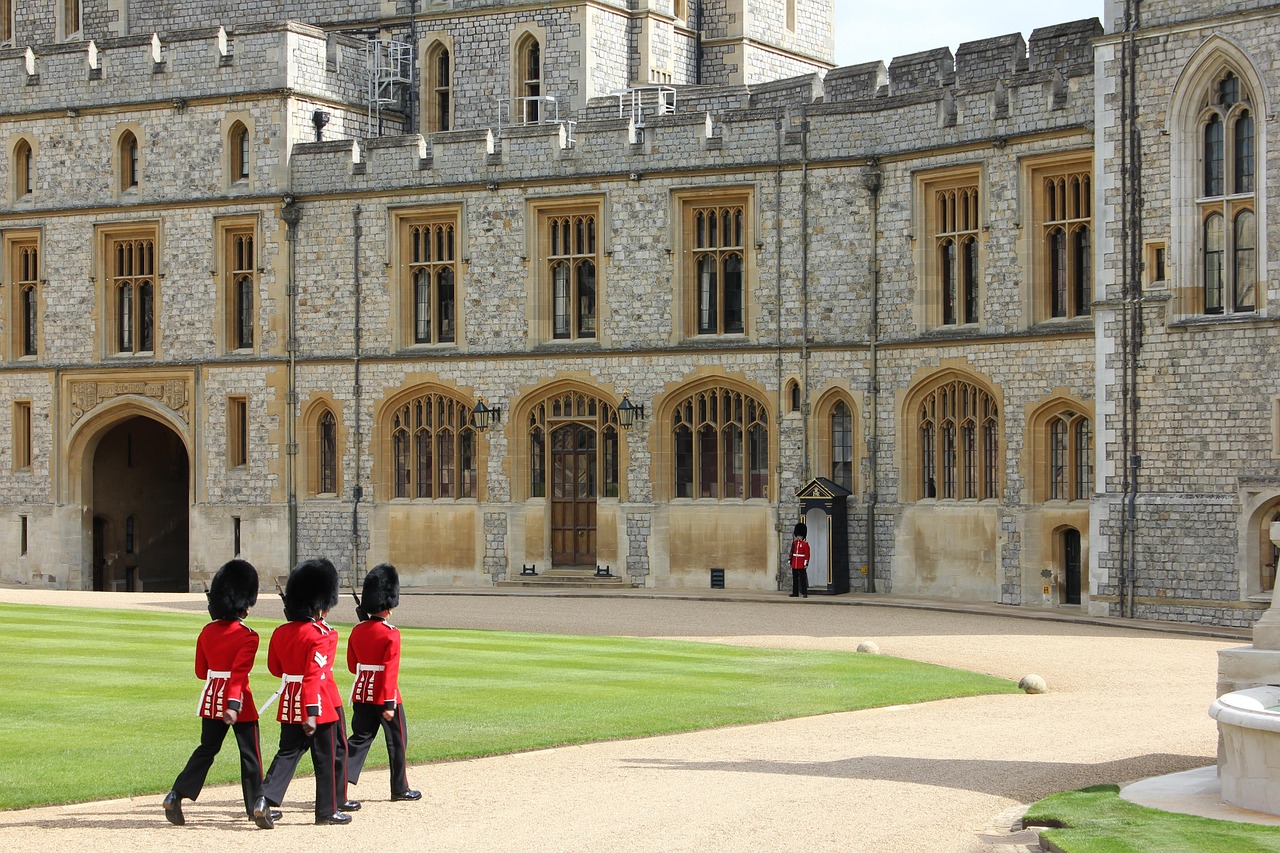
Andrew will no longer be known as “Prince Andrew,” and he has lost the style “His Royal Highness.” He will now use the name Andrew Mountbatten Windsor. In addition to losing his princely title, he was removed from his long-standing home at the Royal Lodge near Windsor Castle and told he must relocate to a smaller property on the king’s Sandringham estate.
Removal of Titles an Extremely Rare Move
This isn’t just another royal change. The removal of Andrew’s titles is extremely rare. When someone born into the royal family and given titles at birth ends up losing them, it sends a big message. It suggests that even the highest-ranking royals are not immune to consequences when their actions or associations raise public concerns.
Andrew’s Association with Jeffery Epstein is a Factor
For years, Prince Andrew has faced intense scrutiny over his association with convicted sex offender Jeffrey Epstein and alleged misconduct. Although he denies wrongdoing, his reputation has taken major hits. The royal family and the public have grown less tolerant of officials who attract scandal and fail to offer clear explanations.
Earlier this month, Andrew announced he would no longer use his title as Duke of York. That decision came after increased pressure inside and outside the royal family. Two weeks later, the king took the further step of removing Andrew’s other titles, honors, and the privilege of residence at Royal Lodge.
Additionally, the formal process of removal was announced in a royal statement that emphasized “our thoughts and utmost sympathies… with the victims and survivors of any and all forms of abuse.” That wording shows the monarchy is signaling change — that reputation and values matter alongside tradition.
What the Removal Includes
- Andrew loses the title “Prince” and the designation “His Royal Highness.”
- He also gives up being known as the Duke of York, Earl of Inverness, and Baron Killyleagh — titles he held for decades.
- He loses honors like the Order of the Garter and the Knight Grand Cross of the Royal Victorian Order.
- The lease on his home, Royal Lodge, has been formally withdrawn. He must move to private accommodation on the Sandringham estate.
- His ex-wife, Sarah Ferguson, is also affected — she will also leave Royal Lodge. However, his daughters retain their titles and status.
What This Means for the Monarchy
The monarchy is built on tradition, symbolism, and often subtle power.By removing Andrew’s titles, King Charles is showing that tradition alone may not protect missteps or controversial associations.
This could mark a turning point in how the royal family handles scandal in the future. Younger members of royalty and others in the public eye may feel a shift in expectations: greater transparency, fewer exceptions, and more accountability.
Many people in the UK and beyond saw this as a bold and necessary move. Members of Parliament, royal watchers, and advocacy groups praised the decision as a step toward holding public figures to higher standards.
For survivors of abuse and those calling for greater accountability in powerful institutions, this removal is seen as a kind of victory. They argue that no one, no matter how privileged, should be above scrutiny.
Is Royal Accountability Shifting in the Public’s Favor?
The removal of Prince Andrew’s titles is more than a headline. It’s a symbol. It underlines that in a modern society, even centuries-old institutions like the British monarchy must adapt. Titles, honors, and privileges may once have seemed permanent. Now they feel conditional, anchored not just in birth and heritage but in conduct and consequence.
As of today, Andrew Mountbatten Windsor’s chapter in the royal spotlight is changing. That shift may reshape the way we think about royalty, responsibility, and the intersection of tradition with modern values.